
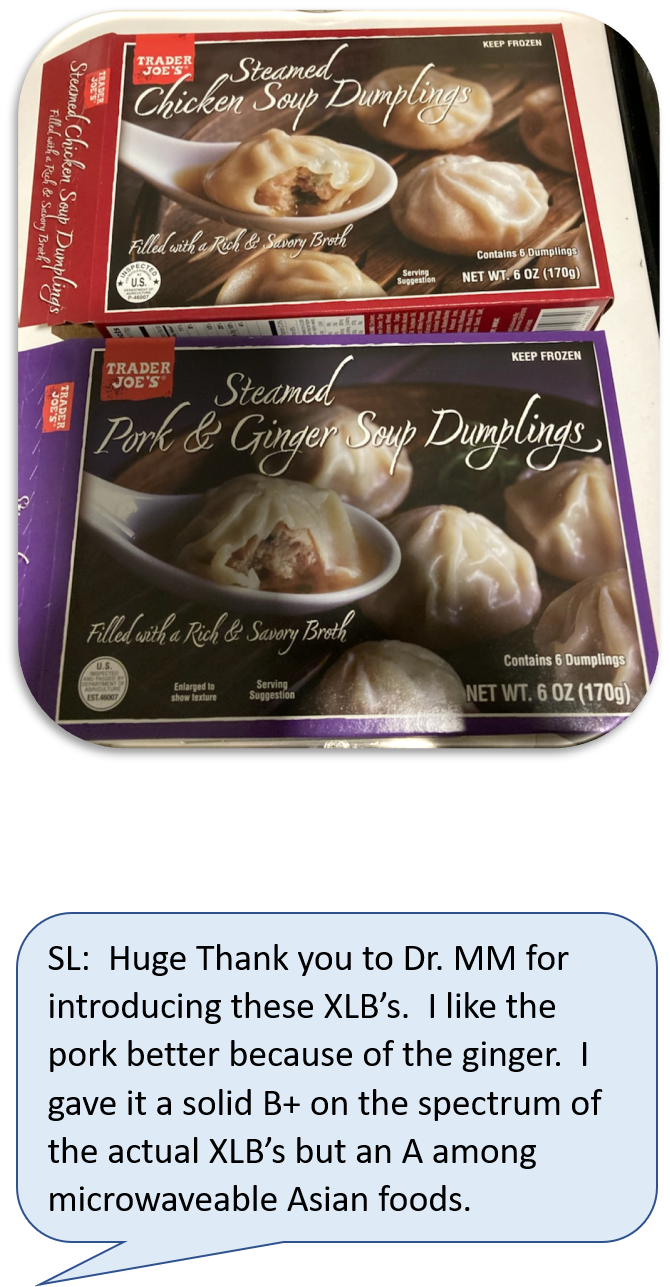
The text message discussion amongst my friends on Trader Joe’s Soup Dumplings has kept coming.

“Pork Belly” Bao
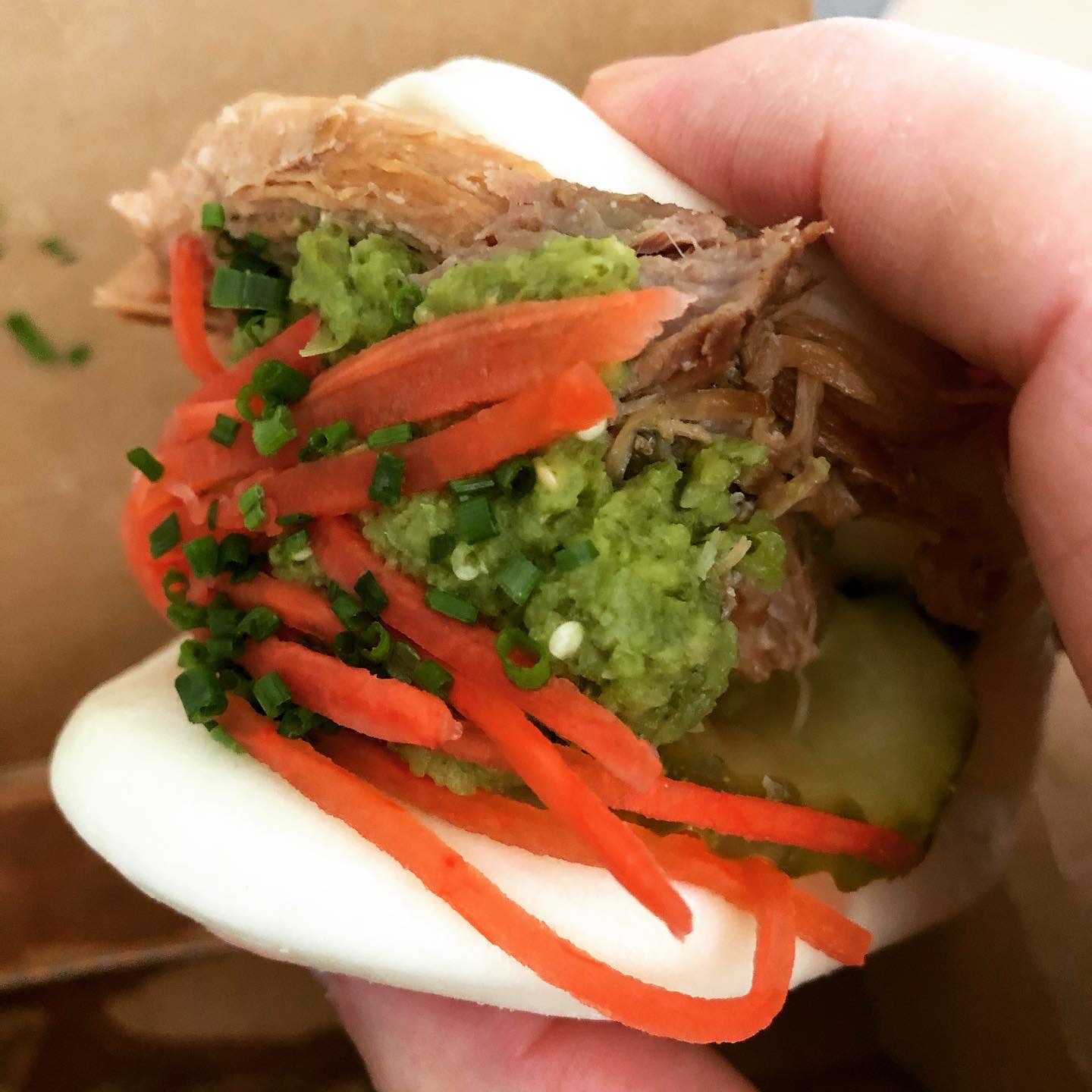
Philadelphia’s Bao Nine is a newish venture from the team who developed the Sweet Charlie’s rolled ice cream chain. Bao Nine sells Taipei street-food style Gua Bao, which are flat steamed buns wrapped around a filling which is traditionally pork belly. In Taiwan Gua Bao are sometimes referred to as Chinese hamburgers and were introduced into Taiwan by Fuzhounese immigrants and these buns were largely popularized in the U.S. by David Chang’s Momofuku restaurants, although in cities with Chinatowns they were well known before Momofuku hit the scene. Bao Nine also sells pick and mix rice bowls with choices for protein of crispy chicken, roasted chicken, grilled shrimp, short ribs, or Beyond meat balls – I wish Beyond was a option for the Bao filling. They also serve charred brussels sprouts with gochujang sauce and crispy rice, which sounded good.

A filling lunch worth of bao.
The Dumplings: As the name suggests Bao Nine serves nine varieties of bao, six of them are filled with beef or chicken which I don’t eat, so I skipped them. Of the other three one is filled with tempura shrimp, spicy aioli, pickled slaw, and jalapeno, which didn’t excite me. So I tried the “pork belly” and the falafel filled buns. I thought the steamed buns were excellent, slightly sweet and very light and fluffy in texture. I was less impressed with the fillings, I put the quotes around pork belly because it did not appear to be pork belly but rather a slow cooked pork shoulder. The other fillings were green chili sauce, radish, and pickles; but the green chili sauce lacked any real heat and the pickles seemed to be kosher dill pickles, which struck a wrong note with me. The falafel bao had a traditional filling of a single falafel ball with tahini labneh, pickled chili and onion. My go-to falafel is from Mamoun’s in Greenwich Village and so maybe I am biased or a traditionalist, but I didn’t think the sweetness of the Bao went well with the falafel fillings. The falafel bao is vegan. For me, three bao made a filling lunch.
Location: Bao Nine is in the Rittenhouse square neighborhood of Philly, it is on 19th street about a block north of Chestnut street.
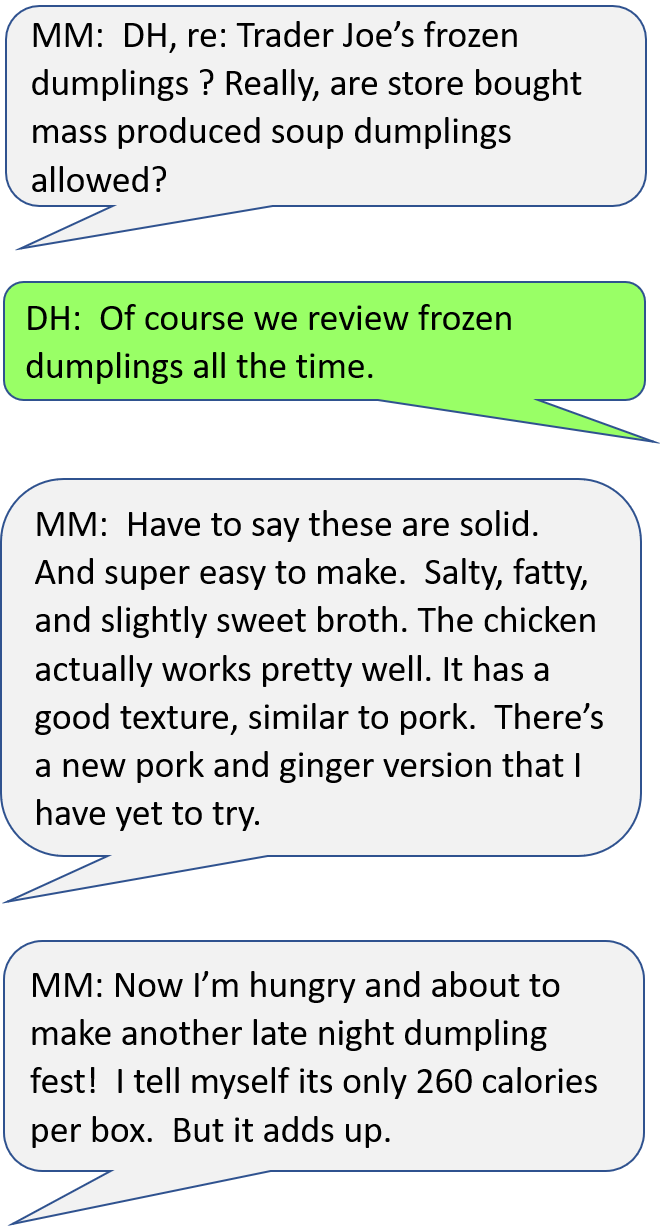
People send me dumpling reviews by many routes, here is one that came in by text message.

I have finally found success in my quest to create dim-sum style fluffy steamed buns. The guys behind the counter at Tran’s World Market clued me in that their mother uses Vinh Thuan’s Bot Banh Bao Dumpling Flour to make her show stopping pork buns. This flower is definitely the secret weapon, it makes beautifully fluffy steamed bao.
I filled the bao with an Impossible Meat based version of the Korean Burger in Robin Ha’s “Cook Korean: A comic book with recipes“. This is a really good cookbook that I enjoyed reading as a manga and I have made a bunch of the recipes, which all out great. For the bao filling I made golf-ball sized “meat” balls that I pan fried, let cool and then wrapped in dough made from Bot Banh Bao flour. For the dough I just followed the recipe and bao making instructions on the back of the package. Here is the recipe that I adapted from Robin Ha.


Ingredients
Very finely chop the onion and garlic. Mix all of the ingredients in a bowl and then form 4-5 meat balls. Pan fry the meat balls so they are browned on the outside and just cooked through. Let the meat balls cool to room temperature. Follow the instructions on the Bot Banh Bao flour to make the dough and make the bao stuffed with the meat ball. Place three bao in a regular bamboo steamer that fits in a wok. When these bao steam they will plump up a lot and nearly double in size.
The bao can be refrigerated or frozen and then heated up in a micro-wave. They are even better when you additionally pan fry the bottom of the buns.
I don’t know how other Word Press bloggers feel about the new Gutenberg Block Editor, but I am hating it. Sure it gives us greater ability to insert lots of widgets and social media links, but the interface is un-intuitive and requires too many clicks to achieve anything. Plus the new “blocks” format makes it difficult to control layouts and the look of a post. With the Gutenberg interface it is taking me 2 to 3 times as long to create a post as it does with the Classic editor. Thankfully the Classic interface is still currently available, although it is not immediately obvious how to access the interface. I am hoping they do not retire the Classic editor and force us to use Gutenberg.
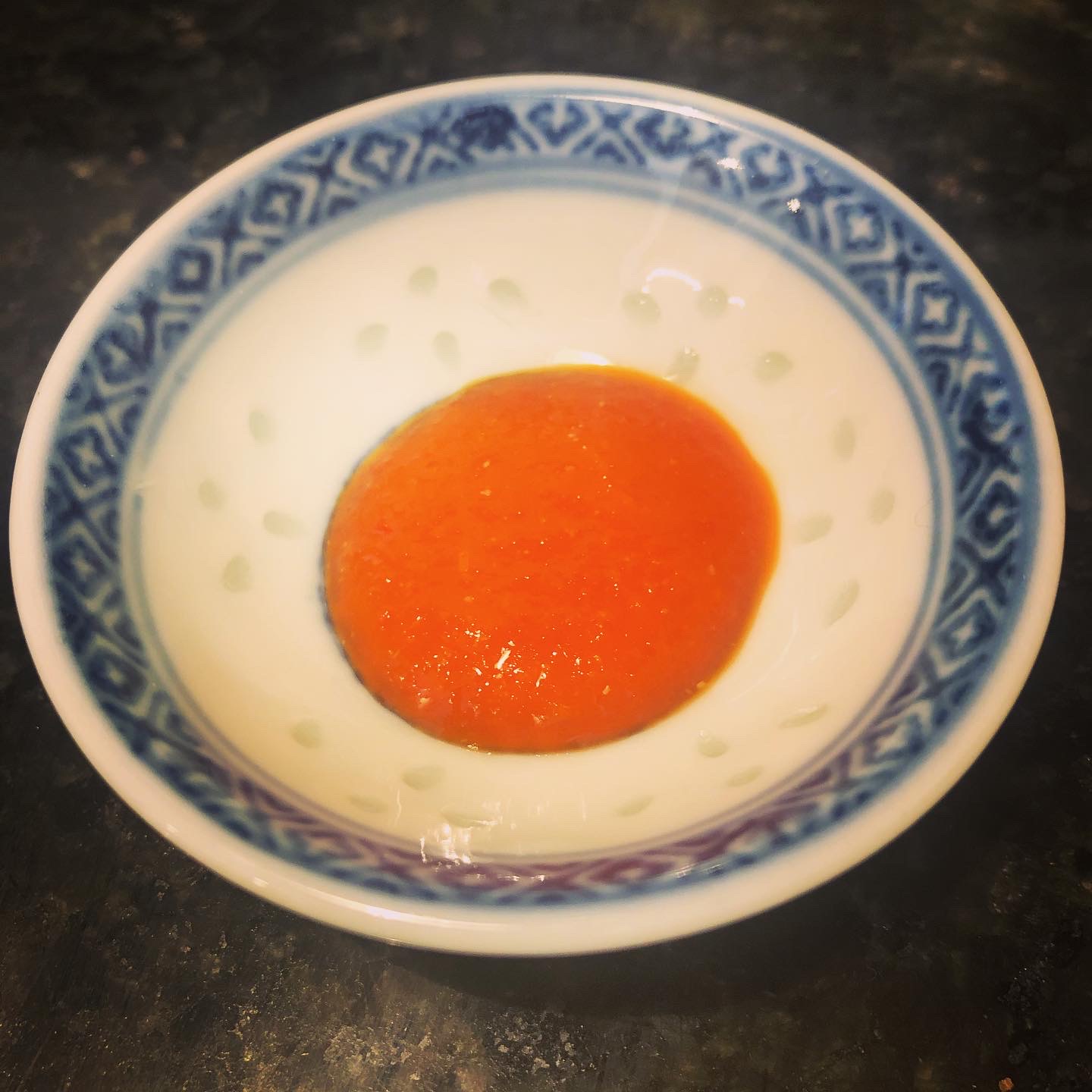
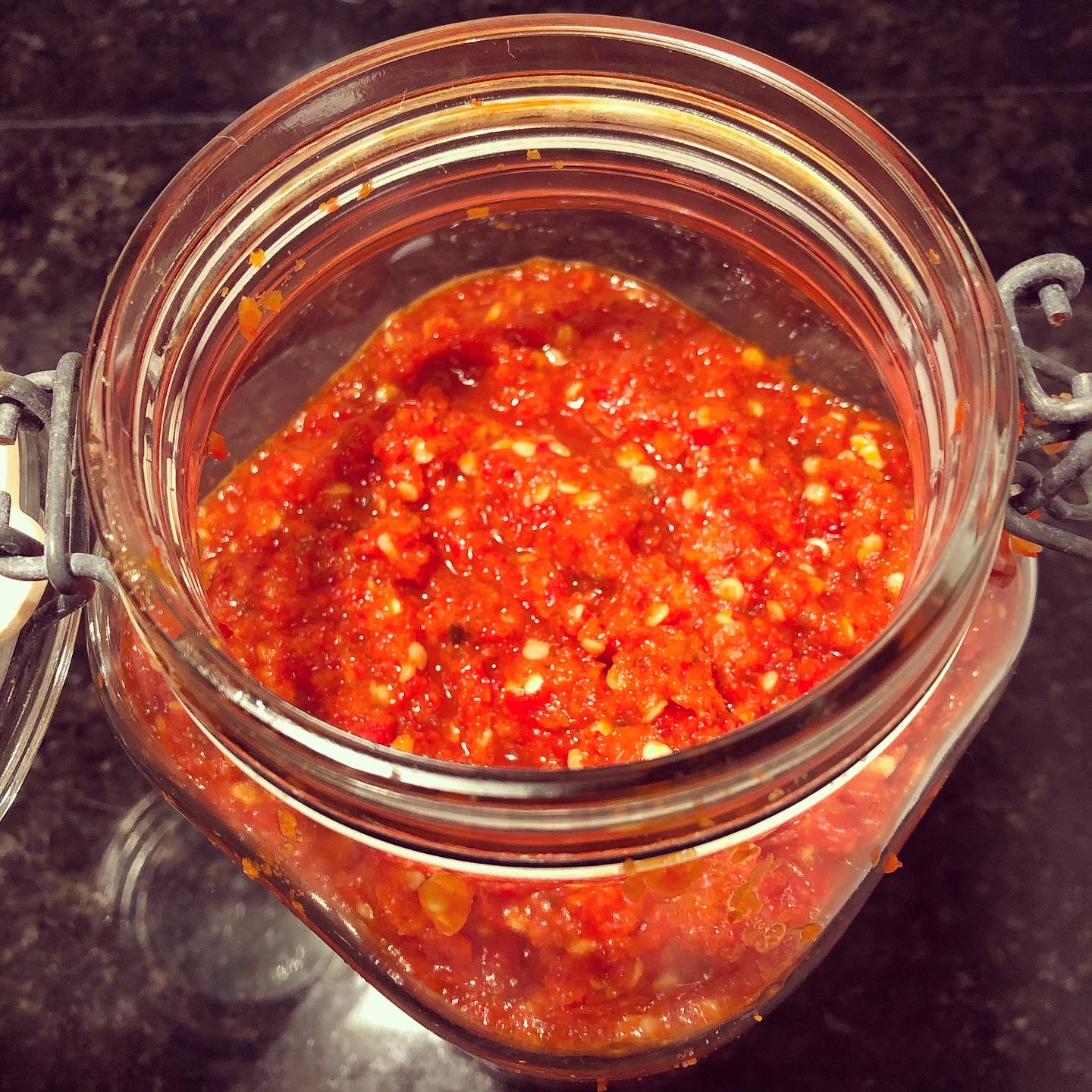
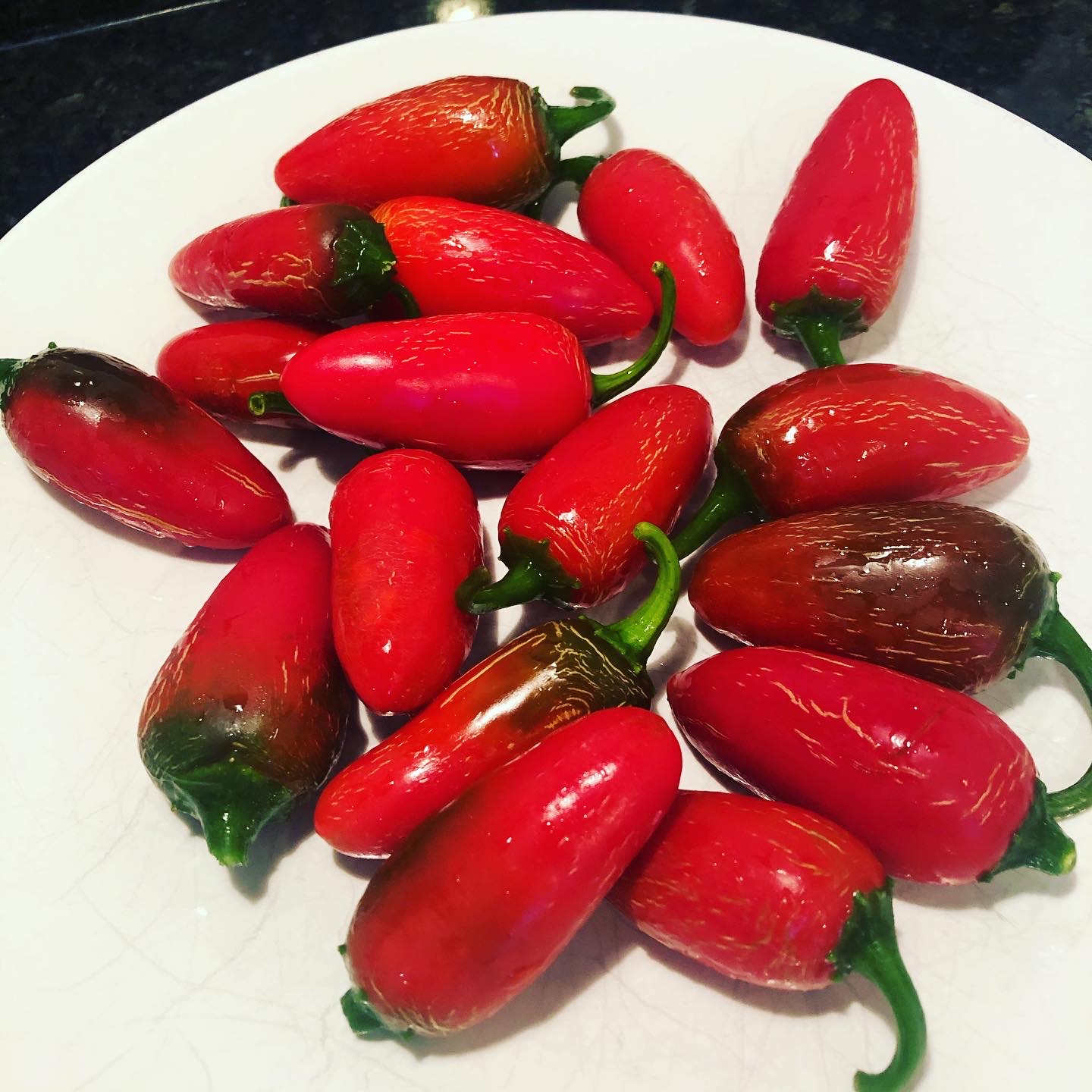
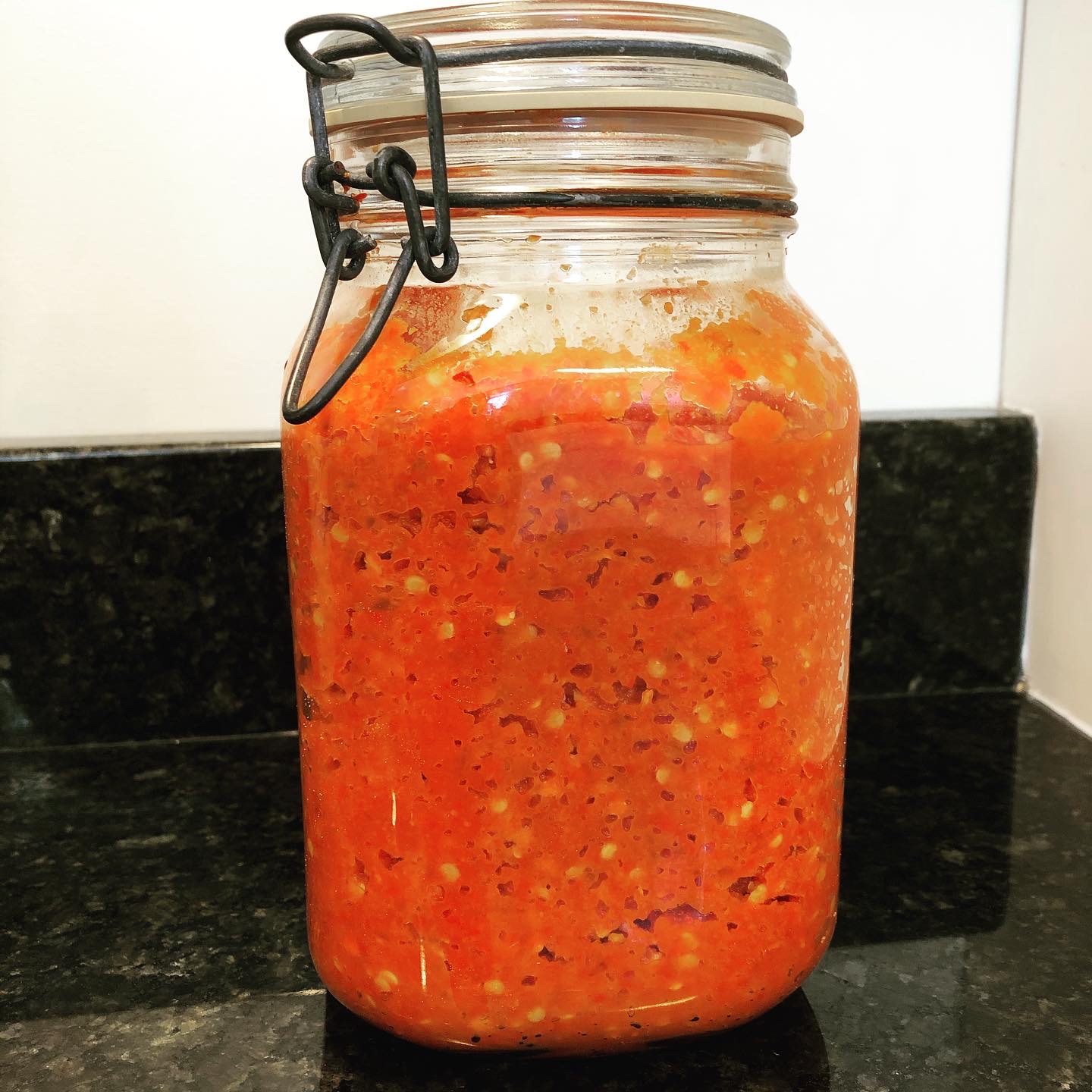
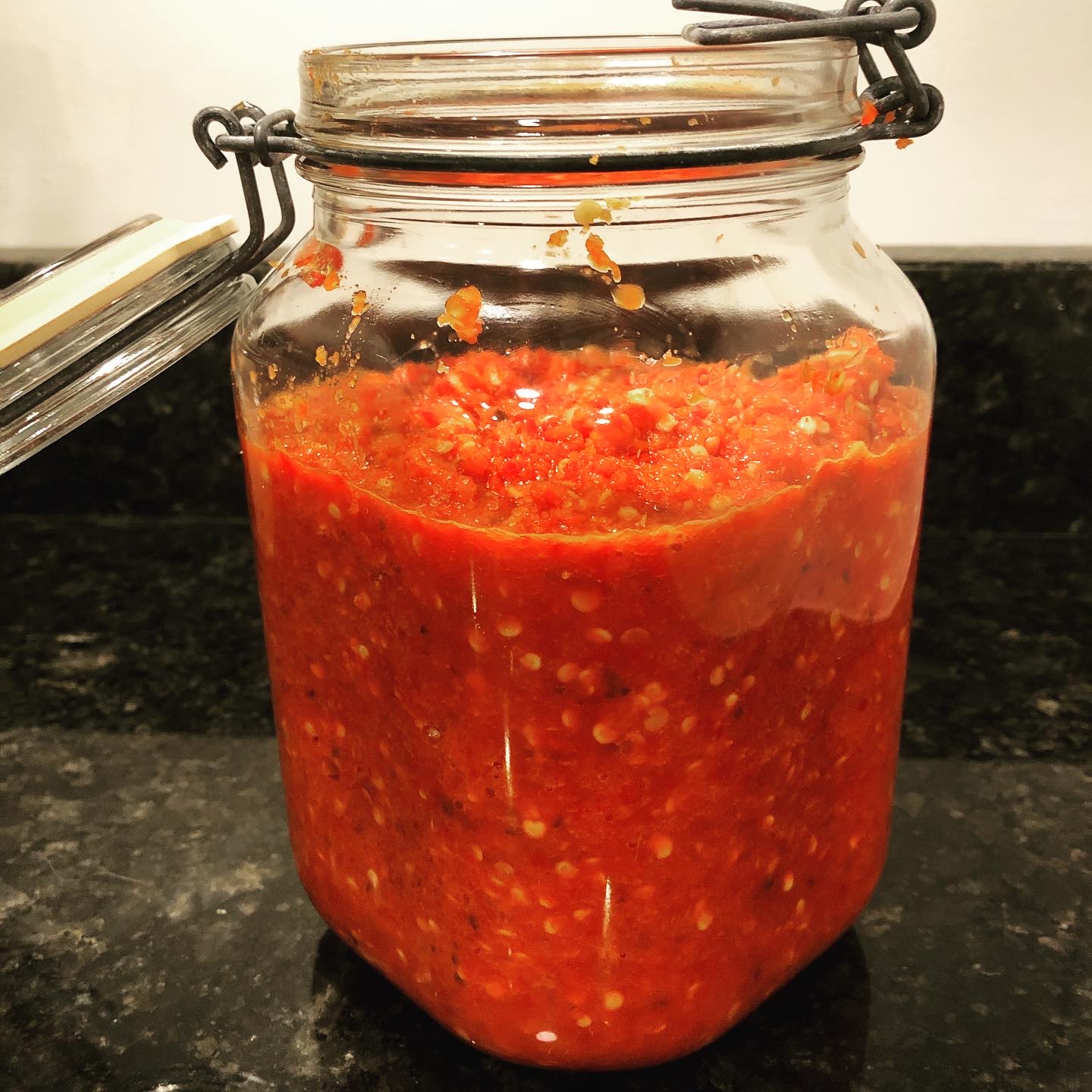
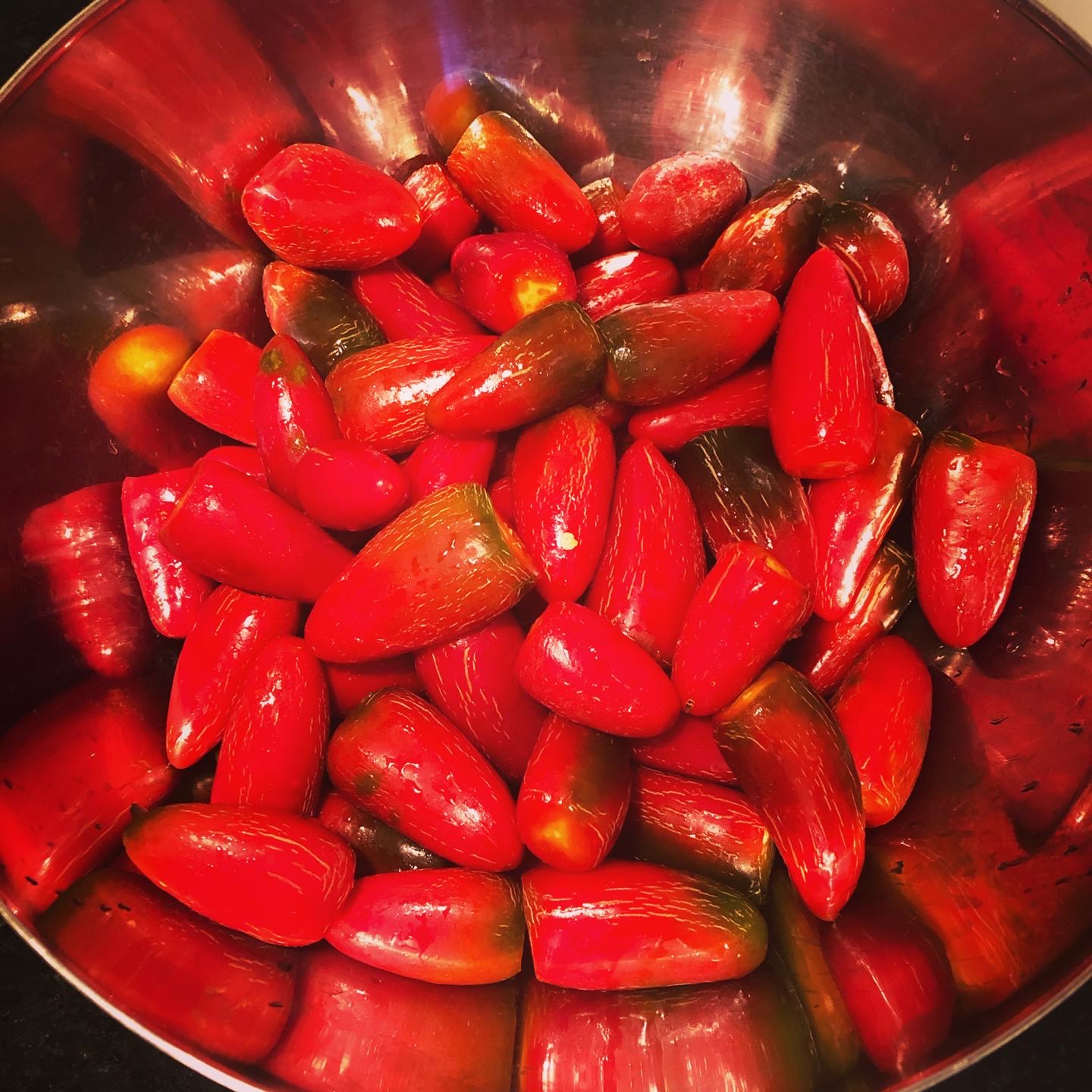
I use Sriracha sauce to provide heat to my dumpling dipping sauce. This summer I decided to make Sriracha sauce from scratch, starting with growing my own Jalapeno pepper plants. As the peppers turned bright red I picked them and froze until I had about 2.5 pounds of peppers. The recipe below made about 3 cups of Sriracha, half of which I froze and the other half I bottled and refrigerated.
To make the Sriracha:
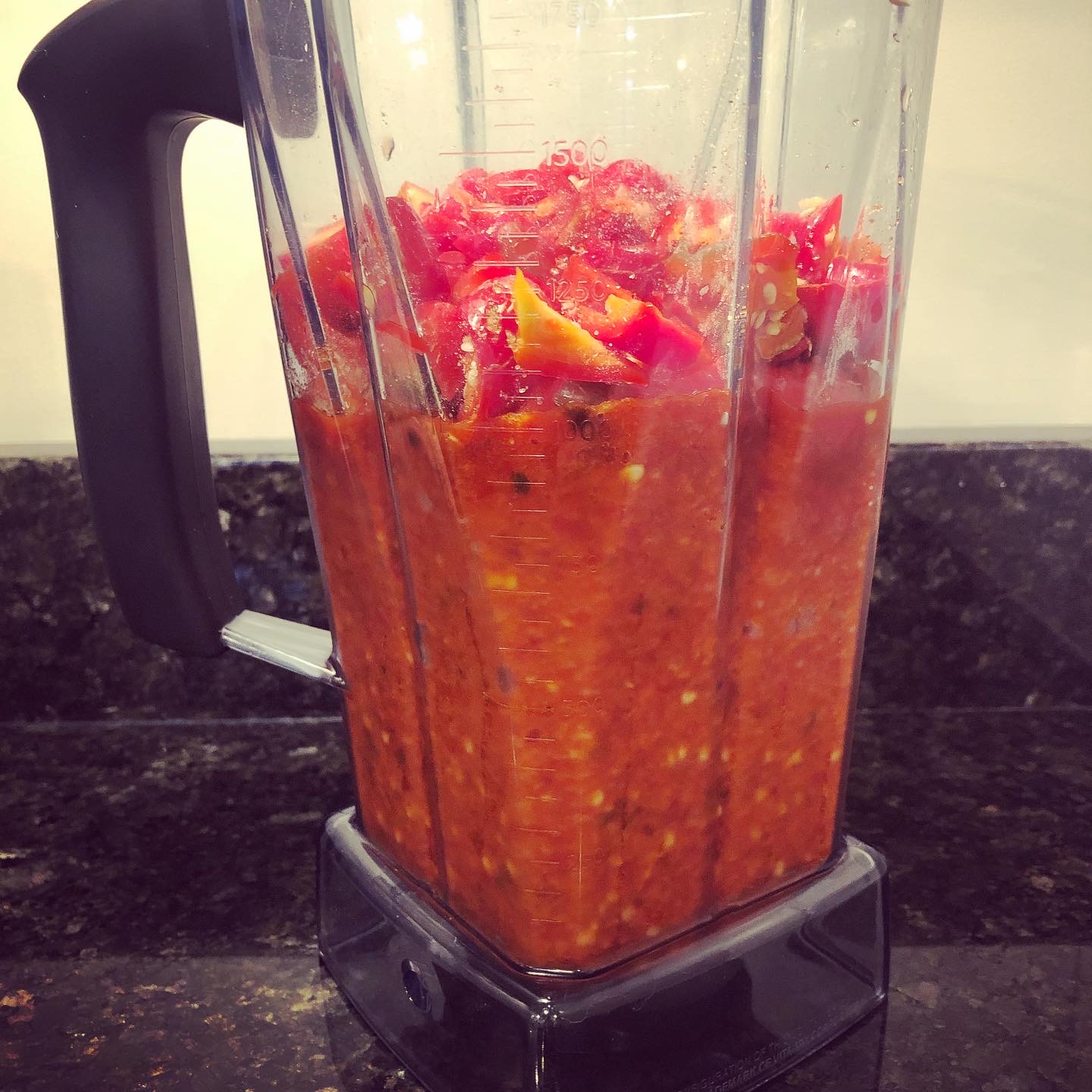
Cut off the green stem from the peppers and place peppers, 10 cloves of garlic, 7 tablespoons of light brown sugar, and 2 tablespoons of Kosher salt into a blender. Blend the ingredients until you have a finely chopped mash of peppers. I did this all in one blend and because there are no liquid ingredients this put a lot of strain on my VitaMix and caused it to overheat. So I would recommend doing the blending in two batches.
Place the mash in a glass jar with a lid and store for 5 to 7 days at room temperature letting the mash ferment. You will see bubbles start form on the side of the jar after 2 to 3 days and the mash will start to expand. Burp the jar once a day to release the gases and then mix the mash. By the 4th day after I burped the jar I could smell fermented chili peppers throughout the apartment, I understand now why odor complaints were filed against the Hoy Fong factory. So think about burping the jar outside.
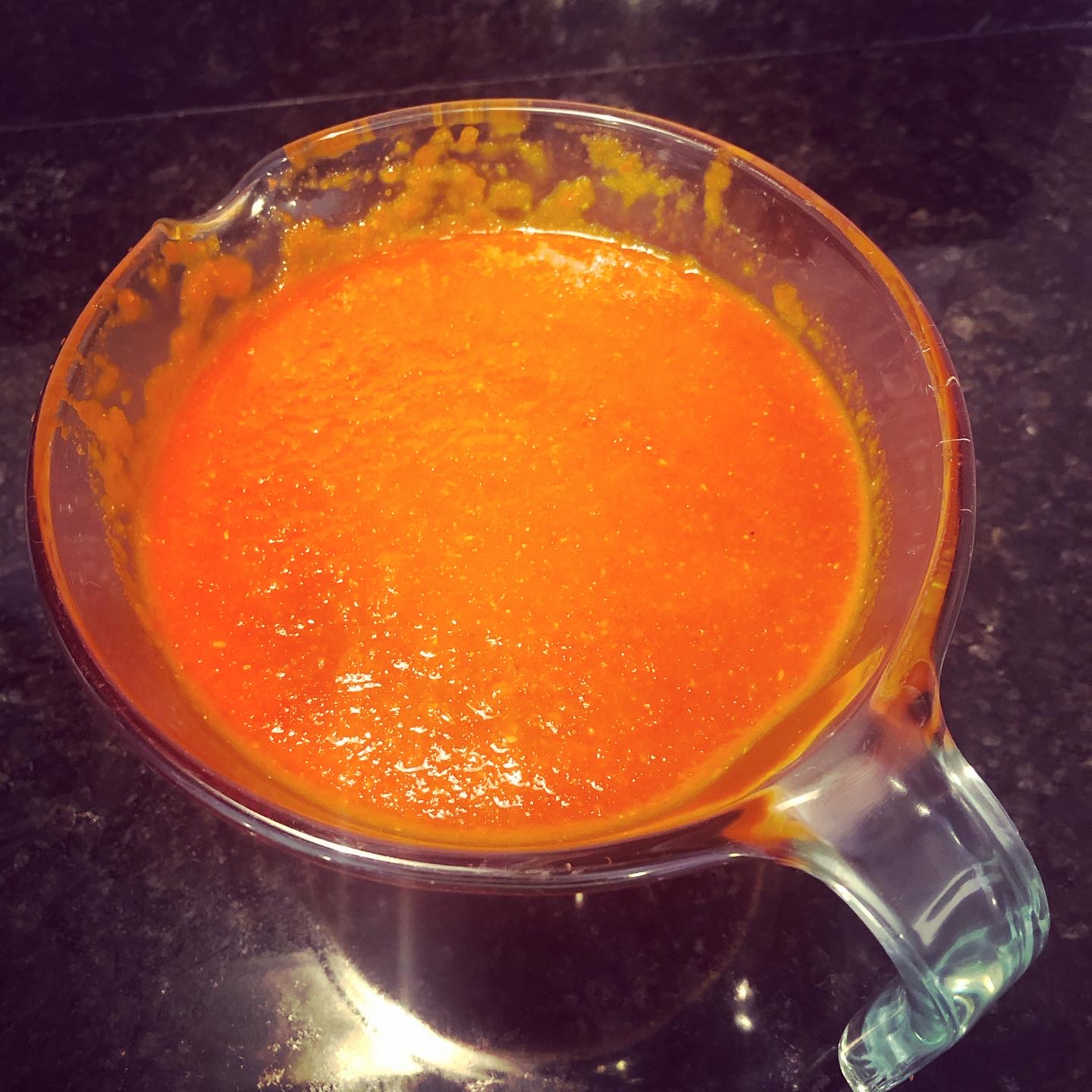
After 5-7 days transfer the mash back into a blender and add 1.5 cups of distilled white vinegar and puree until completely smooth.
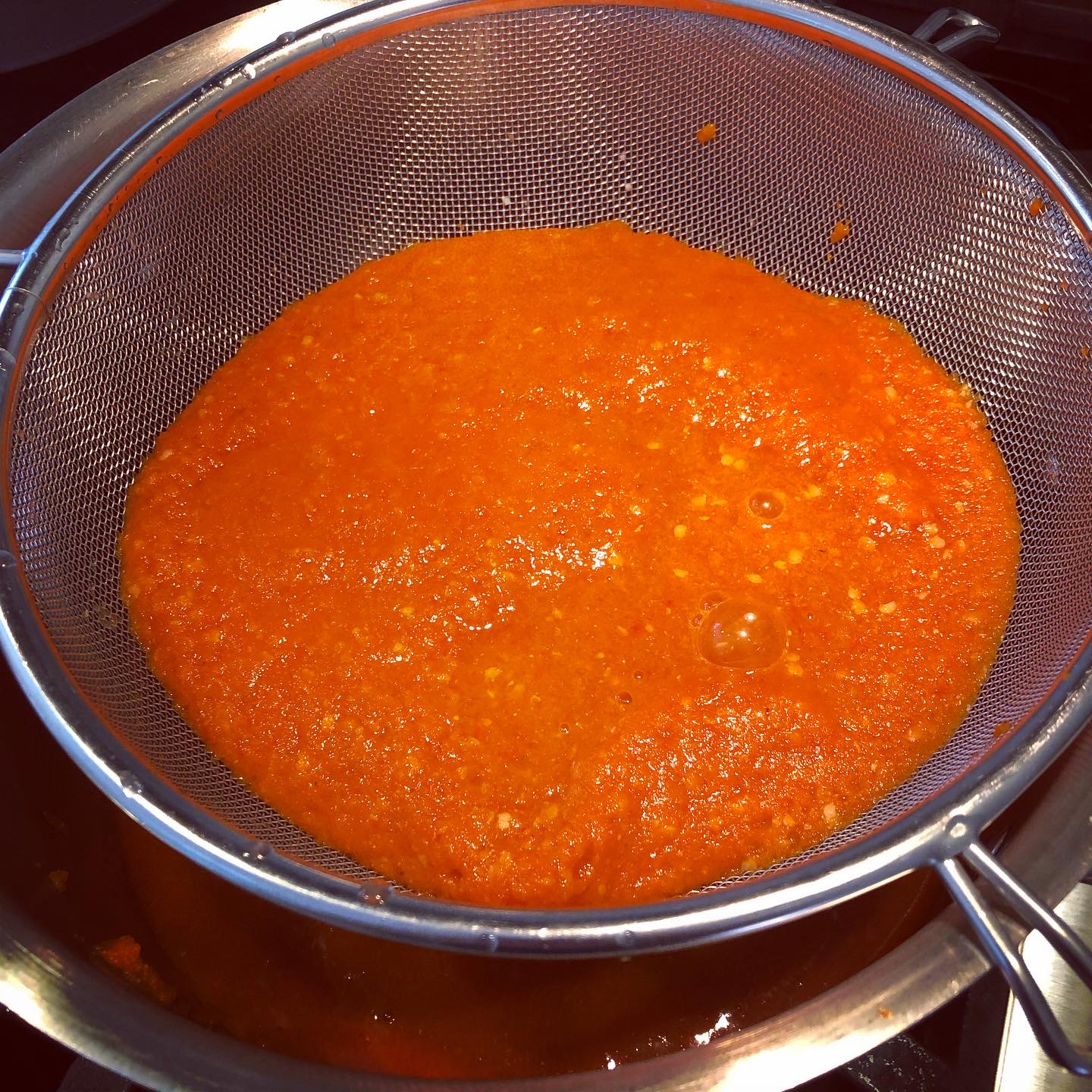
Pour the puree into a wire strainer set on top of a sauce pan and use a rubber spatula to press the pulp through the strainer. You want to separate the liquids and pulp from the seeds and any large pieces of chili or skin.
Bring the chili mixture to a boil and then simmer for 10 minutes.
Transfer to an airtight container and store in the fridge for up to 6 months.
I tried making a multitude of bao this weekend – vegan curry beef steamed bao, red bean steamed bao, baked red bean bao and baked vegetable bao.
For all of these buns I used the dough recipe from Mary’s Test Kitchen that I used to make the baked vegan curry beef buns from a few weeks ago. Unfortunately, Trader Joe’s was out of Impossible burger, which I used last time to make the curry beef filling, and instead I bought Joe’s vegan patty which they created to compete with Beyond and Impossible. I followed the recipe again, using Joe’s product instead of the Impossible burger, but it was kind of nasty and I ended up throwing it out; lesson learned, stick with Impossible burger.
The sweet red bean filling was made using Adzuki beans which I boiled until tender, then mixed in sugar and then mashed. I made the buns as directed in the Mary’s Test Kitchen recipe, and steamed half the buns in a bamboo steamer and baked the rest. The steamed buns came out quite good, but not with the full fluffy bread consistency of dim sum BBQ pork buns that I was hoping for. The bread was denser than I was aiming for and it is likely that I over kneaded it or over proofed.
The last bao I made was a vegetable filled baked bao with a filling made of carrots, shiitake mushrooms, cabbage, onions and scallions. For seasoning I mixed half of a BaoLong Sup Chay vegetarian instant soup cube into the moisture released from the vegetables as I sauteed them. These cubes add a savory Vietnamese Pho style broth flavor to the vegetables, which is really excellent. I glazed the buns with mirin and then sprinkled on Sriracha toasted sesame seeds. The resulting veggie filled baked bao were very enjoyable.


T. Roots, a restaurant proclaiming to sell Taiwanese street food, recently opened in downtown Northampton, MA. The menu has the expected hits of Taiwanese cuisine – oyster omelet, scallion pancakes wrapped around beef, congee and stewed pork over rice – and several Japanese dishes – various types of curry rice and Omurice. T. Roots supposedly has a strong pedigree, the owner previously ran Taiwanese restaurants in NYC before moving to Western MA. Maybe the restaurant is still finding its rhythm as it starts up but I was quite disappointed with my meal; the dumplings I had were bad, but the pork egg roll was decent. I dined outside at one of the two tables in front of the restaurant, which was really pleasant. Because of COVID all the food is being served in disposable to go containers.
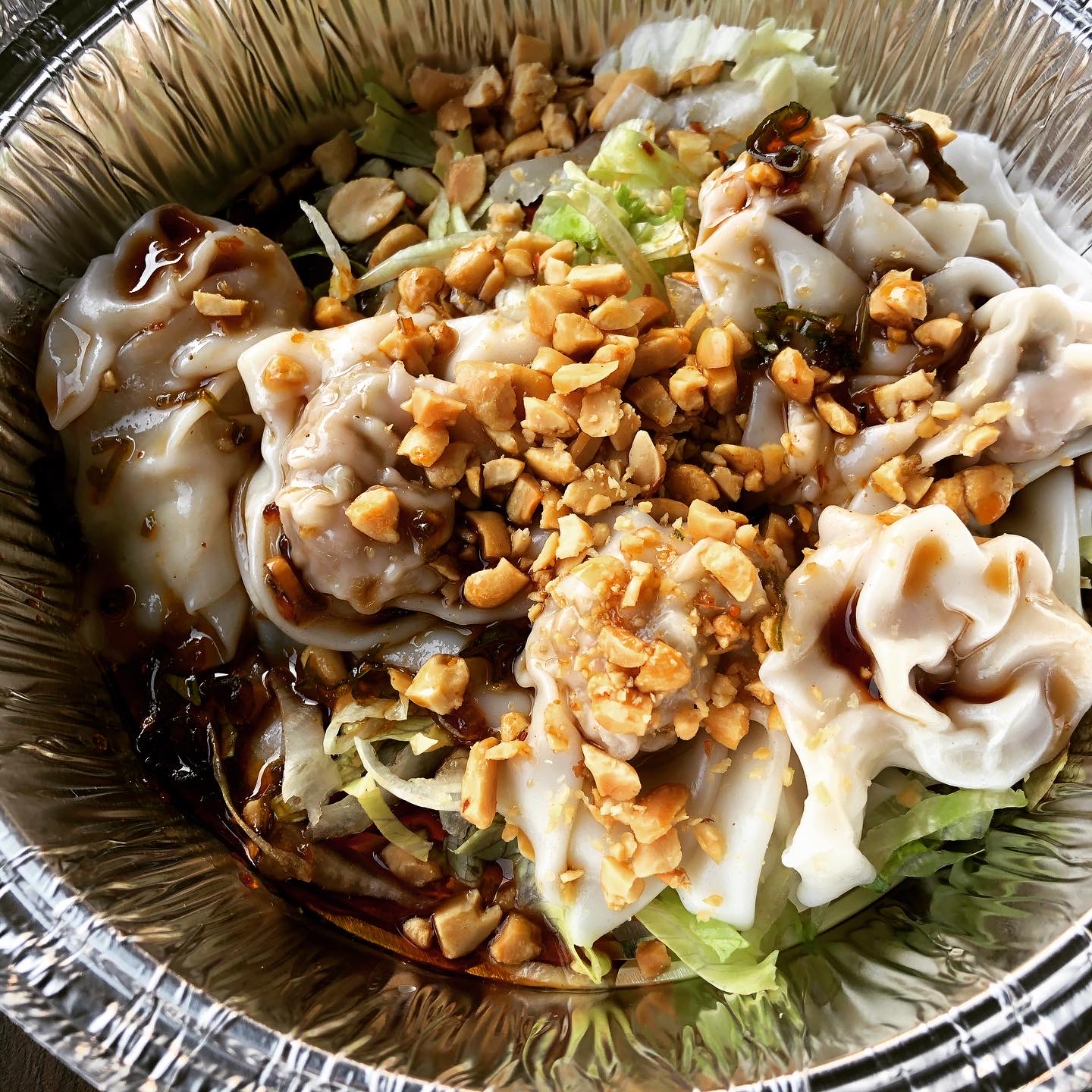
Spicy Wontons that had no spice heat at all.
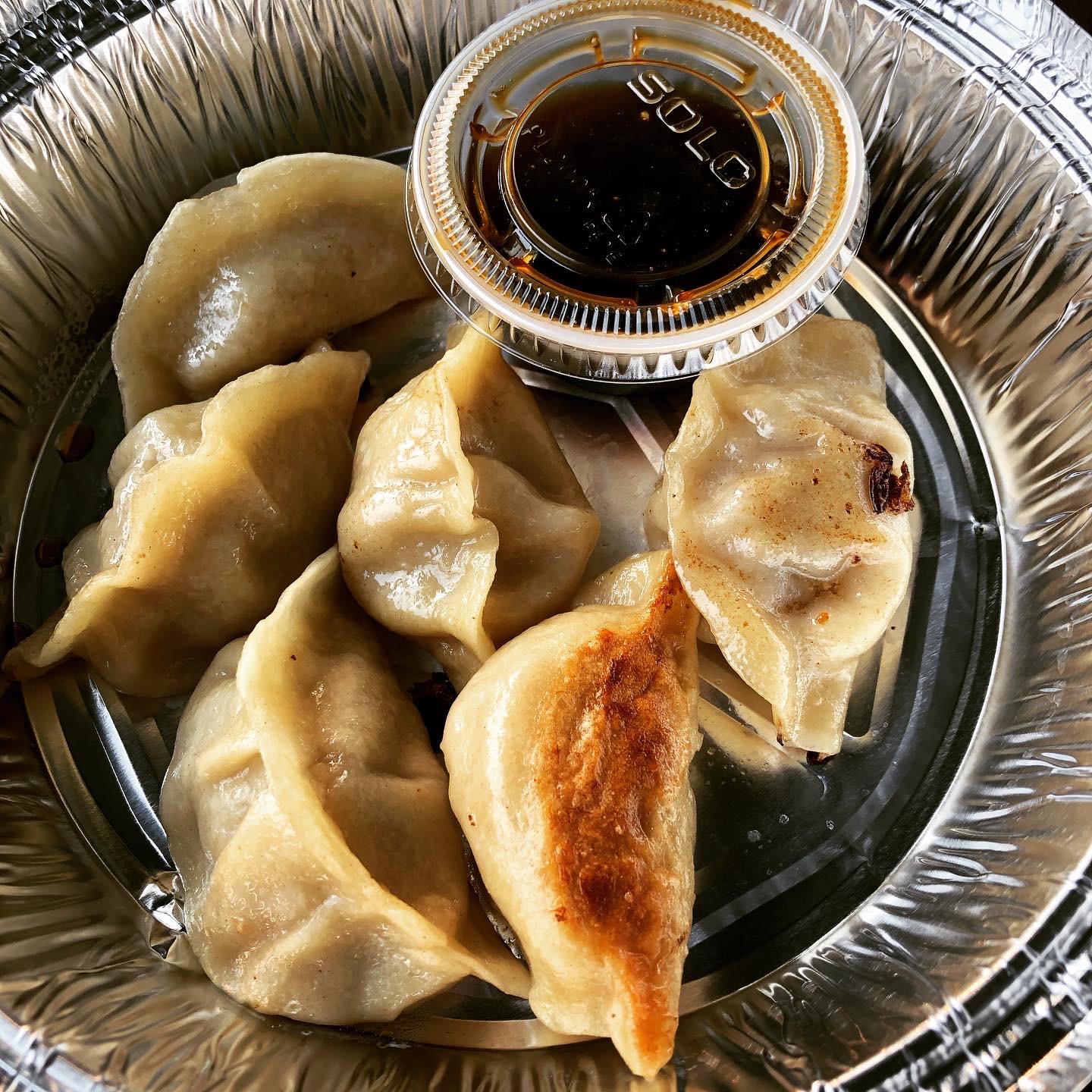
Pan fried pork dumplings with tough rubbery wrappers
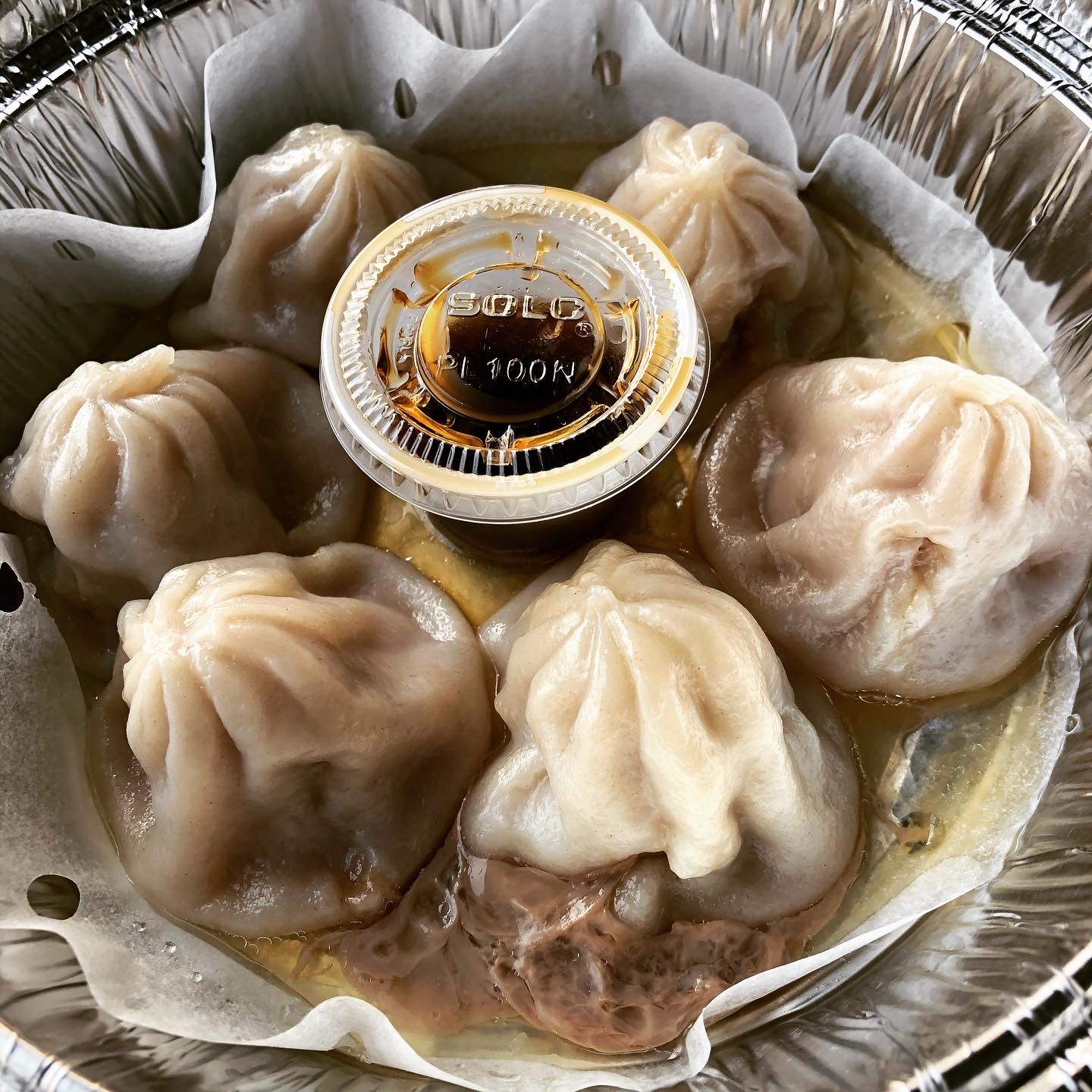
Overcooked soup dumplings with ll their filling leaking out
The Dumplings: The menu has a wide selection of dumplings: cream cheese wontons; spicy wontons; BBQ Pork buns; soup dumplings; pork, beef, or vegetable pan fried dumplings; pork or vegetable steamed dumplings; sweet buns; and pork, shrimp or vegetable crystal dumplings.
Spicy Wontons – Wontons in spicy oil is one of my favorite dishes and T. Roots’ version of this dish was a big disappointment. The pork filling of the wontons was well seasoned and tasty and the wonton wrappers were large and floppy, better to carry the sauce. But the wontons had an uneven temperature with parts that were warm and parts that were cool, which made me think the wontons had been microwaved. The sauce was a typical soy based dipping sauce you would expect to get with pan fried dumplings and had absolutely no spicy heat at all.
Pan Fried Pork Dumplings – The only good thing I can write about these dumplings was that they were juicy. The filling had a metallic flavor that I associate with under cooked ginger and the wrappers had a tough rubbery texture that was unpleasant to chew. My hypothesis is that the dumplings were pre-cooked and left to sit before being reheated for my meal, and during the sitting period the wrappers hardened. Either that or the dough had an insanely high gluten content.
Soup Dumplings – These dumplings suffered a complete failure of execution. The dumplings were overcooked to the point where the wrappers had all ruptured and the soup had spilled out. The dumplings were served in a pool of soup and pork fat with pieces of wrapper floating in it. The soup and pork tasted good, but rapidly congealed in the to go container. The dipping sauce was really odd and unpleasant. Usually soup dumplings come with a black vinegar sauce, but the sauce I received tasted like a mix of red wine vinegar or sherry vinegar and soy sauce. The sauce was also served in a thimble sized plastic container, so it was impossible to dip the dumplings in the sauce.
The Location: T. Roots is located on the corner of Main Street and Masonic St. in Northampton MA in the old Viva Fresh Pasta Co. location. During the COVID-19 pandemic they are doing take-out and have 6 tables for dining outside.

Traditional style folded Kkaennip Jeon (Aeri’s Kitchen)
This dish is a type of Korean Jeon or pancake. Optimally this Jeon is made by folding a large perilla leaf around filling, making it reminiscent of a dumpling. Traditionally the filling is made of beef, but for this recipe I took a vegan route. Also the leaves on my perilla plants are not quite big enough to go the fold route, so I use two leaves and sandwiched the filling between them. Dredging the stuffed leaves in flour and Just Egg and then pan frying them makes them slightly crispy and crunchy. These stuffed fried leaves are sturdy enough to be dipped in sauce and make a great alternative to flour dough dumpling wrappers. If you use a non-gluten flour or keto friendly flour this recipe could be a way to eat something close to a fried dumpling while sticking to a Keto or a gluten-free diet.


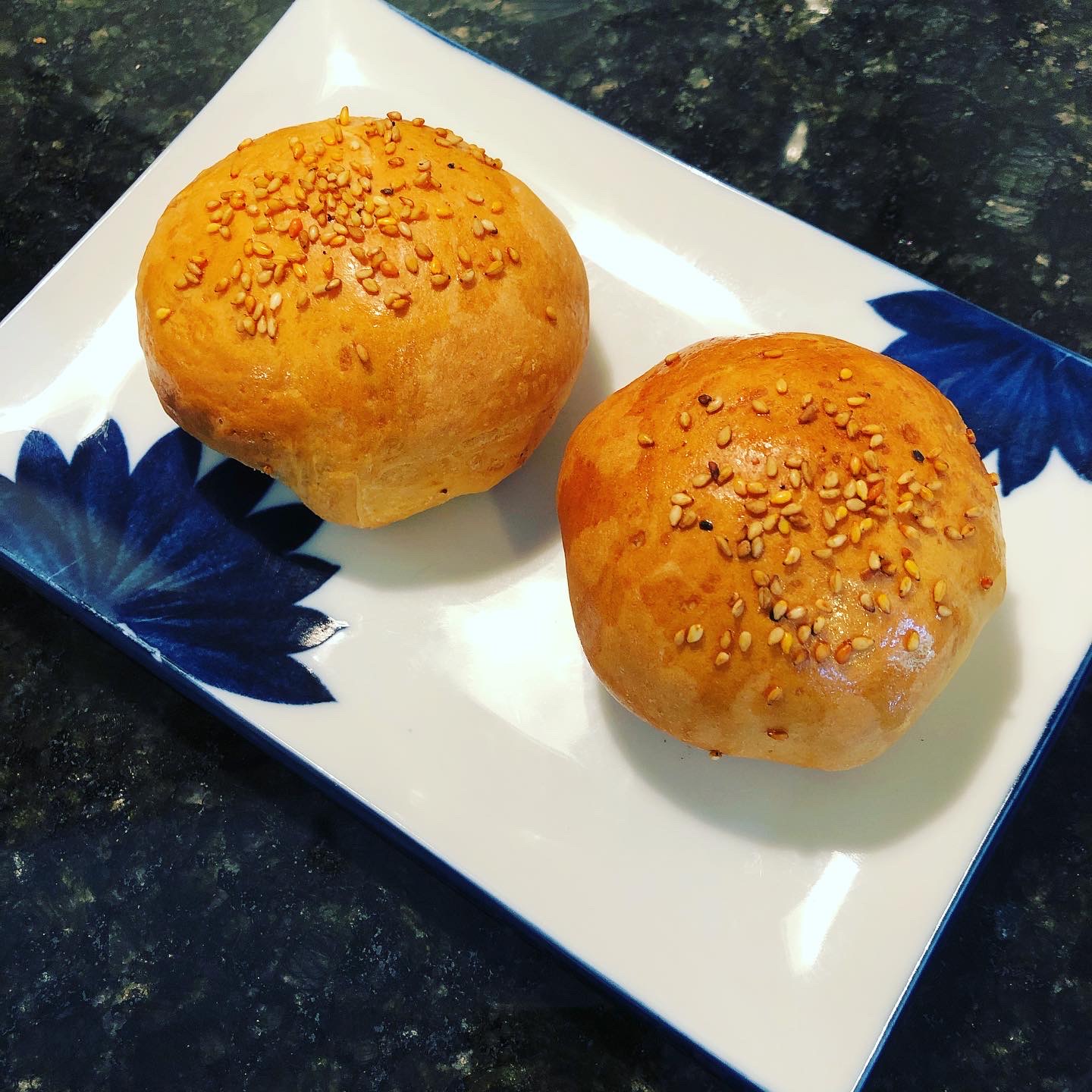
Vegan Baked Curry Beef Buns
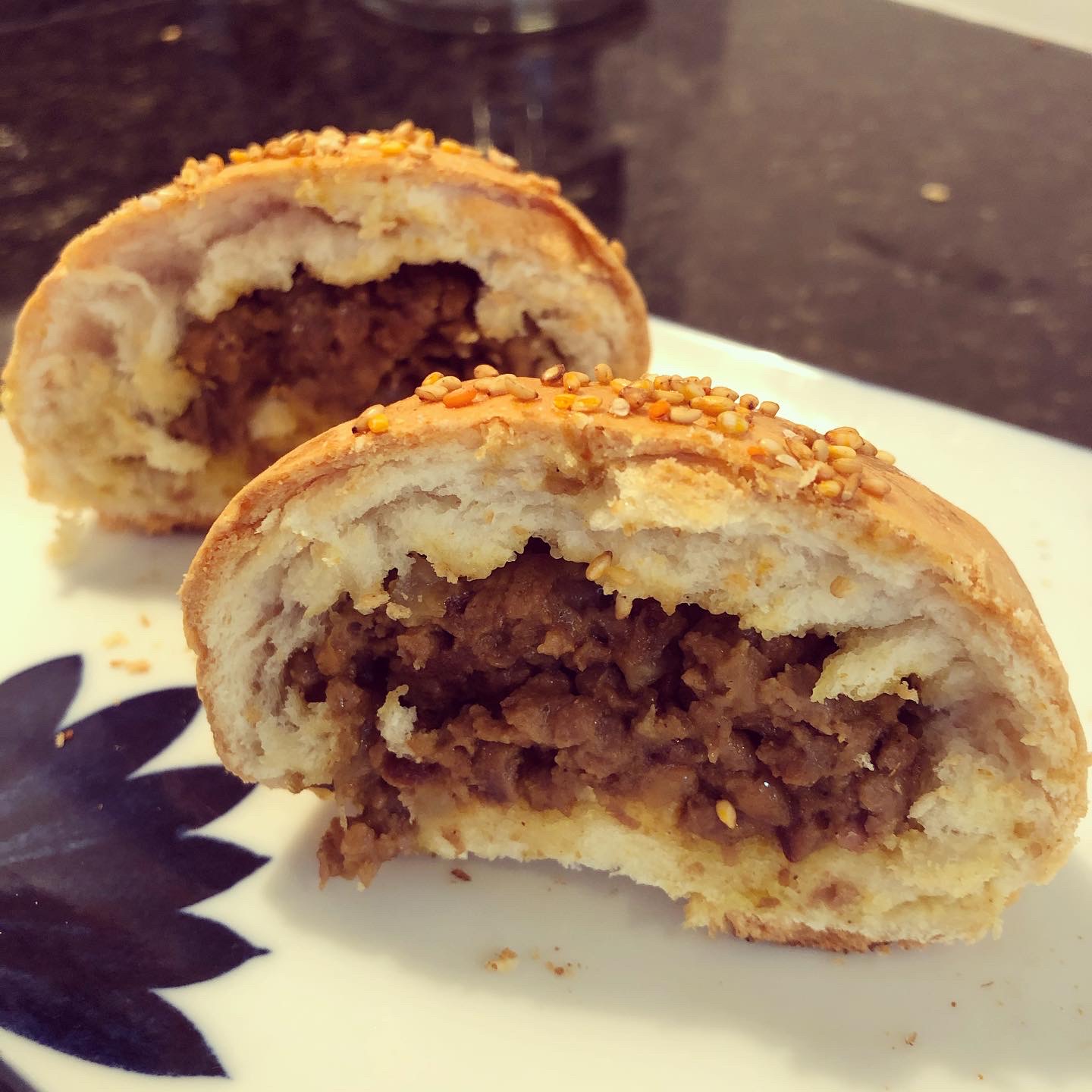
Curry spiced Impossible Burger filling
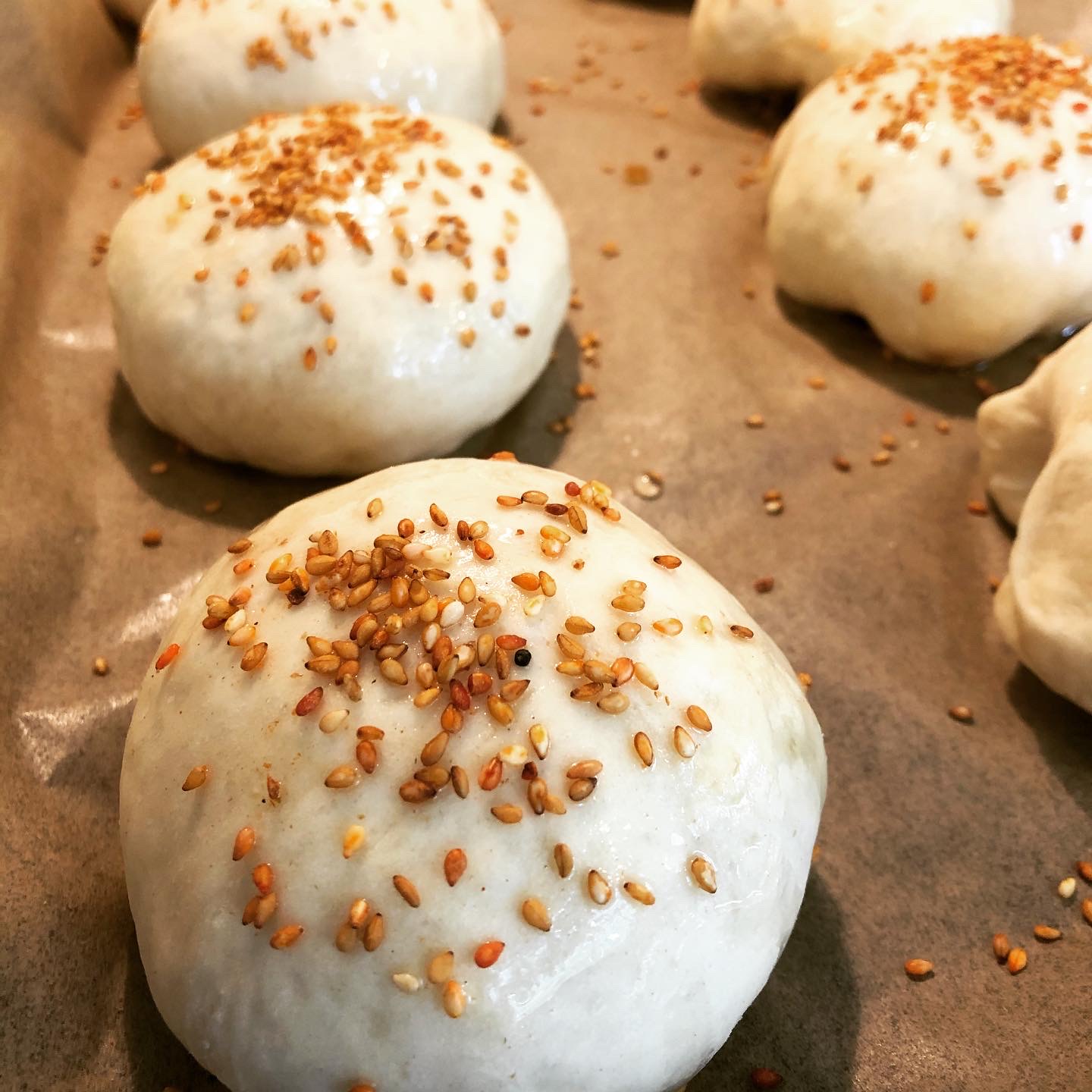
Buns risen and ready to bake
This recipe was derived from the Curry Beef Bun recipe at Mary’s Test Kitchen, but instead of using textured vegetable protein I used Impossible Burger for the filling. I was really impressed with how these buns came out and the Impossible Burger filling was completely convincing as curry beef. The outer surface of the buns comes out crunchy and the inner dough becomes light and fluffy. A sprinkled Sriracha Toasted Sesame Seeds on top of the buns which provides a spiky toasted flavor.
For the Curry Impossible Burger:
 Bing Dumpling News
 The search for the world's best dumplings